
With contribution from Griffin Ced
As the wheel turns gradually toward light, the days grow longer. But the natural world is quiet and restful. Seeds slumber beneath cold soil, and animals make use of their Autumn gorging. The rush of the holiday season has calmed, and we sigh back into our routines.
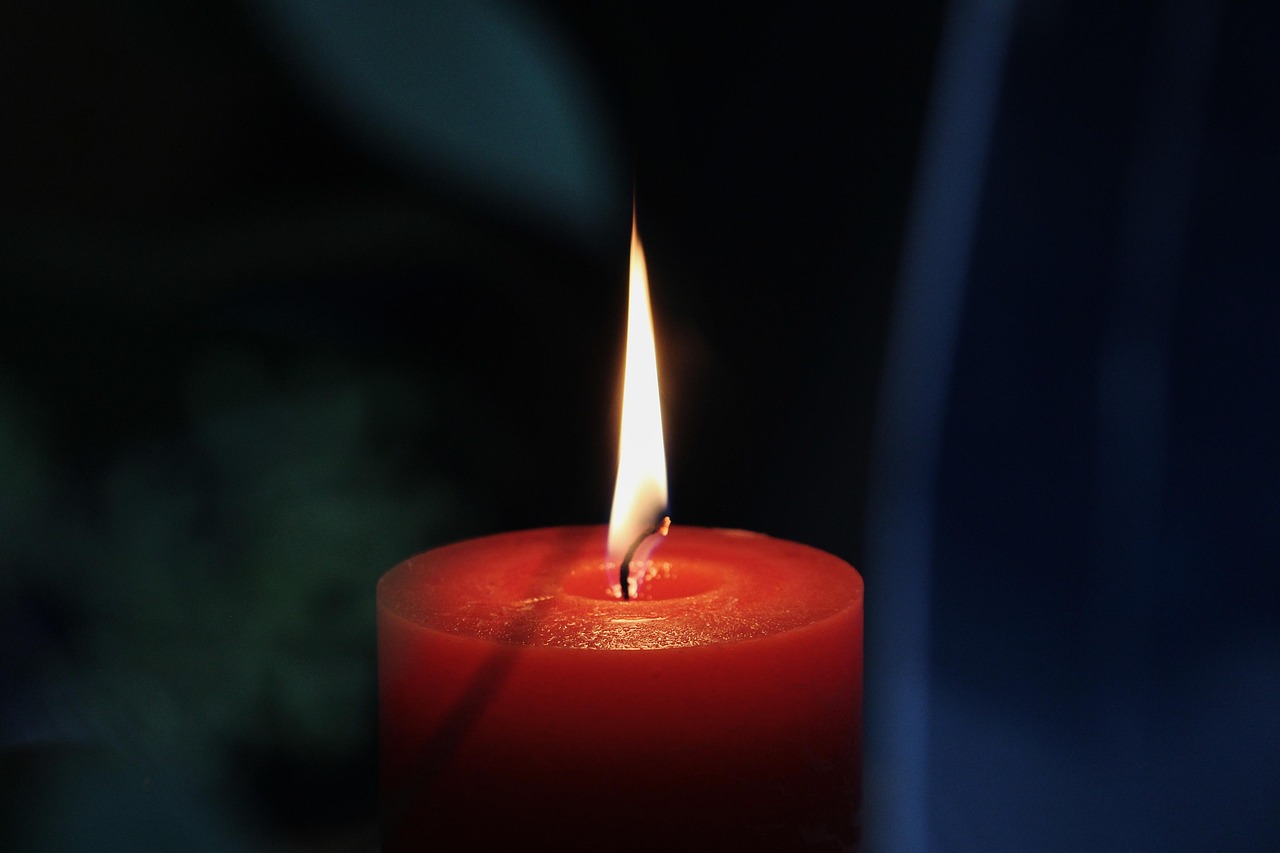
The Imbolc tide can be one of reflection, walks in nature, and enjoying the coziness of home. It conjures images of calm candlelight, particularly under its other moniker: Candlemas. I could tell you about pines, snow, and the many other seasonal associations with Imbolc. But Ced does it a little bit differently, and that’s what I’d like to discuss.
The Imbolc tide is a time of transition out of the Mound. This is to say: the underworld, the place beneath the overturned cauldron, the Dark Times. Imbolc is the time when the Ced compass makes a twist out of the widdershins darkness to follow the deosil sun’s progression around the compass once again (the other twist being at Samhain).
Life begins to stir after slumbering in the Mound. In Ced, we call this expression of life the dragons: the animating life force that exists in the manifest world. The dragons awaken in response to the returning light. The Earth and its abundance of life respond to the promise of longer days.
Imbolc is the time when wonder is born back into the world. The bearer of this wonder is the Child of Promise. The Child appears in many traditions, both folkloric and religious, and can be understood as the god who had died, now returning reborn. This can include Horus, Phanes, Llew, Baldur, and several others. The Child is born into our world at Imbolc to become our Sacred King. This hero will quest through the mysteries of the Sabbat stations, and cross over into death at Samhain.
The quest of the Sacred King cycle is central to Ced Traditional Witchcraft. The archetype of the hero, which has been a pillar of nearly every culture to ever exist, is brought to life here not only in name, but in spirit as well. This is a powerful mystery that can be explored in depth at a different time.
There’s an old tale where the horned Child of Promise rides forth on the back of a white stag with seven tines. The horned crown is the crown of wisdom, shown as horns to remind us that this is a crown given of the natural world, not manmade. The seven tines is a reference to the compass: the seven directions brought forward into the light by the messenger – the Child himself.
Seen here is another important piece of lore: one becomes seven. The Northernmost point of the compass is associated with the Pole Star, otherwise known as the Nowl of Heaven. Through this point, Fate is expressed in the seven other points of the compass. In this way, the works of Fate become manifest through the year.
This takes us to the true heart of the Imbolc mystery, and one of its central figures.
Brigidh is a goddess of wisdom, poetry, art, and smithcraft, among other things. But to reduce her to a few words is a disservice. When the dragons stir in the Earth, moved by the strengthening light, Brigidh is there to direct their unpredictable current. Because life does what is in its nature to do: it lives. It dances, it fights, it consumes, it plays, it mates. It’s a wild, chaotic force with no direction or reason.
Enter Brigidh. Enter she, the poet, the crafter, the cunning wise-woman. She stands among the maelstrom of dragons and shapes their dance. Through the light of inspiration, the deft hand of wisdom, and the freedom of wonder, she mediates the chaos into beauty. Into art. Into poetry. Into something that, in the right hands, can one day become legacy. She does this not through logic, but through innocence.
This timeless spirit reminds us that we are the artists. We are the architects of Fate, the gateways through which life force energy will express. And we, as witches, mediate it as art. We create our world on the backs of dragons. But we must do this from a place of wonder.
The Child of Promise is this concept inspirited. The Child is born because life force energy is mediated through inspiration and wonder. A Child of limitless potential, born with transcendent innocence. The cosmic answer to Earth’s quest. He can claim the horizon, and therein the whole world. But he first enters the world in innocence.
This is the spirit of Imbolc. The whole world, in all its overwhelm and imperfections, engaged with unbridled wonder. The light of all that is and will be, emerging from the darkness with a curious smile, cradled by all of creation.
Imbolc is not only your opportunity, but your duty to bring the light of the year into being. This cannot be done by force, sheer willpower, or wishing. There is a surrender to wonder that’s required. A willingness to both birth and be birthed.
Phanes, a god of light and creation, emerges from the Orphic Egg: a universe with limitations. When it cracks, there will be a paradigm shift. Meet this shift at Imbolc with the curiosity of a child experiencing the splendor of the world without any knowledge of its ugliness. Everything is new. Everything is beautiful. The world is your oyster, and your pearl holds all potential of what you can be and do.
Be honest with yourself when you do this. Discover what wonder truly means to you. Ask yourself what you need to do, to be able to emerge from the darkness. Even for one day, one hour, one ritual. Do this, and you will let the Child of Promise within you be born into your world. We can’t be expected to hold onto the wonder all year long. Especially in a world like the one we’re living in today.
Magic cannot exist in a world without wonder. Reawaken the child within, and liberate the witch.